
Coffee Growing Regions
There are many coffee growing regions throughout the world, producing two types of coffee: Robusta and Arabica. The much higher quality Arabica coffees are all we serve at Lakota, so that’s what we’ll focus on here. Most of the Arabica coffee supplied to the world is hand-picked on family farms (fincas) of 12-15 acres. Each coffee growing region produces distinct flavors and characteristics that they have become known for over the years.
Arabicas are high grown (usually 3,000 feet and up) with a much wider range of taste and, depending on the handling, are considered to have outstanding quality. Most specialty coffee shops use exclusively Arabica coffee beans. The higher a coffee is grown, the harder the coffee bean is. The harder the coffee bean is, the better its flavor profile. We carry a very wide selection of world-class Arabica coffees for your drinking pleasure.

ALTITUDE
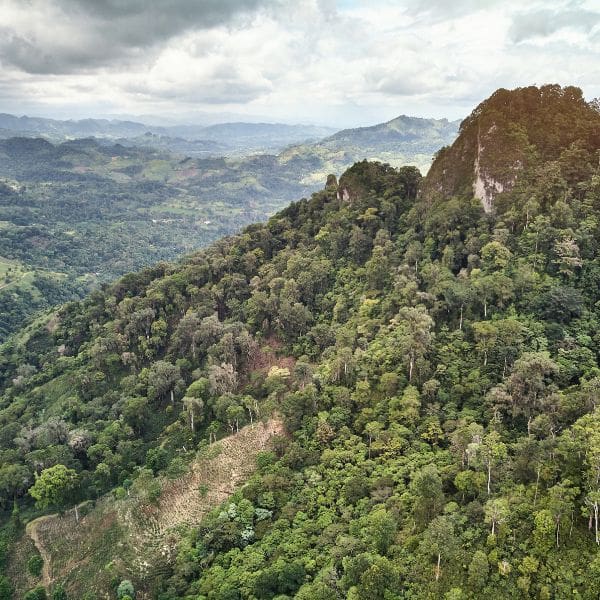
Arabica coffee is mountain-grown at altitudes of 3,000 feet and up. You may ask why mountain grown coffee is better? It’s kind of mysterious, but the cool mountain air slows maturation of high-grown coffee and gives the trees more time to pull all of that rich yumminess out of the soil and it’s often shade grown and organically cultivated too!
SOIL
Our high-grown coffee beans come from volcanic soil at 3,000 feet and up. The correct moisture and soil nutrient profile are vital to the quality of these superb growing regions.
SUNLIGHT
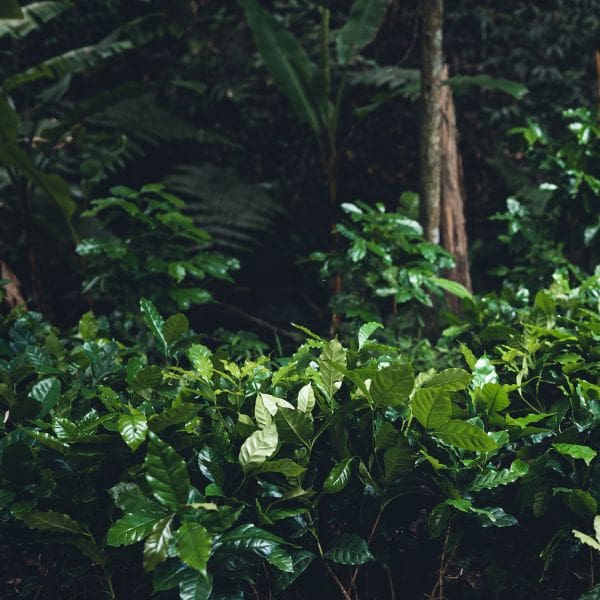
Is your coffee shade grown? Coffee grown in part shade protects the coffee plants from the hot afternoon sun. The trees and foliage that provide this shade are also home to songbirds that eat many of the insects responsible for damaging the bark of coffee trees.
HAND PICKED
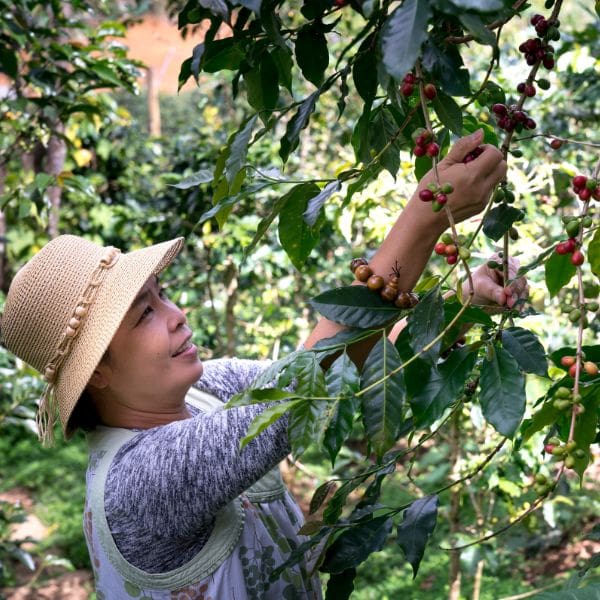
Large commercial coffee farms (Robusta) use machines to harvest all of the coffee cherries simultaneously. In the small coffee farms (where we get our Arabica coffee), everything is picked by hand, one perfectly ripened bean at a time.
Explore Coffee Origins
South and Central American Coffees:
Home to many different coffees; Central and South America offer a variety of growing regions that produce a wide range of coffee for enthusiasts to sample and enjoy. Guatemalan coffees are considered among the world’s best, as the different growing regions produce coffees rich in flavor, reflecting the landscape around them. For instance, coffees from the rich volcanic soil of Lake Atitlan offer hints of chocolate and cinnamon set against deep body with intense flavor.
- Bolivia
- Brazil
- Colombia
- Costa Rica
- Guatemala
- Mexico
- Nicaragua
- Panama
- Peru
African Coffees:
Africa is famous for coffee and Ethiopia is thought to be THE origin of all coffee. The African continent is home to many varieties. Kenya is famous for big, bold, intense characteristics. Tanzania offers a milder coffee that has “all day drinkability” and their “peaberry” is a house favorite here at the shop. Ethiopia offers a variety of coffees based on regions within the country. Here at Lakota, we favor the unique and enjoyable Ethiopian Yirgacheffe, for its fruit and flower notes, and softness in the cup. Zambia, Uganda, and Zimbabwe coffee is not as well known, but have delighted those who have taken the opportunity to sample them. It’s certainly well worth your while to tour these fine coffees.
- Ethiopia
- Kenya
- Tanzania
- Uganda
- Zambia
- Zimbabwe
Indonesian Coffees:
Indonesia offers some well known choices, such as Sumatra and Java, as well as lesser known selections like Timor, Papua New Guinea, and Celebes Kalossi, from the island of Sulawesi. Sumatra truly reflects the tropical environment it’s grown in, offering exceptional, thick earthiness, and body. In comparison, Celebes is known as Sumatra’s cultured cousin – offering a brighter, cleaner cup without sacrificing the rich, complex flavor. Indonesian coffees are also known for being naturally lower in acidity, making them an excellent choice for people who have stomach sensitivities.
- Celebes
- Java
- Sumatra
- Papua New Guinea
- Timor
Island Coffees:
Island Coffees: Coffee from exotic tropical islands are very expensive, due to their limited supply and high demand. As a result, most companies don’t offer them. These island coffees are beautifully balanced and famously rich, while also being delicate and mild. Since these coffees are in short supply, many people have only experienced blended versions. Some companies will blend a small portion of Jamaican Blue Mountain or Hawaii Kona with a lesser coffee and increase the price accordingly. Here at Lakota, we make a point of offering these exclusive, rare coffees, but here, you’ll find only the true uncut versions for the amazing experience they offer!
We offer only 100% Jamaican Blue Mountain and Hawaii Kona Extra Fancy. We offer the Puerto Rican Yauco Selecto on rare occasion.
- Jamaican Blue Mountain
- Hawaii Kona Extra Fancy
- Puerto Rican Coffee
Crafting Unique Blends
You may often hear the term “Single Origin” (also called a varietal) when discussing coffee. Single origin refers to the country where the coffee is grown. Often, this is followed by the specific growing region, and sometimes even the individual farm. Each region produces coffee with unique characteristics, even within the same country.
For example, Guatemala has three primary coffee-growing regions—Lake Atitlan, Antigua, and Hue Hue Tenango—each producing coffees with distinct flavors and profiles. Similarly, African coffees come from multiple countries and regions. Ethiopian coffees may include Sidamo or Harrar, while Kenyan coffees often highlight Mount Kenya or Nyanza regions.
Specialty Blends
Lakota’s specialty blends combine two or more single-origin coffees to create unique flavor profiles—often producing a cup even more complex and enjoyable than the sum of its parts.
For more details on coffee regions and origins, check out our coffee description pages at Specialty Coffee Advisor.com.